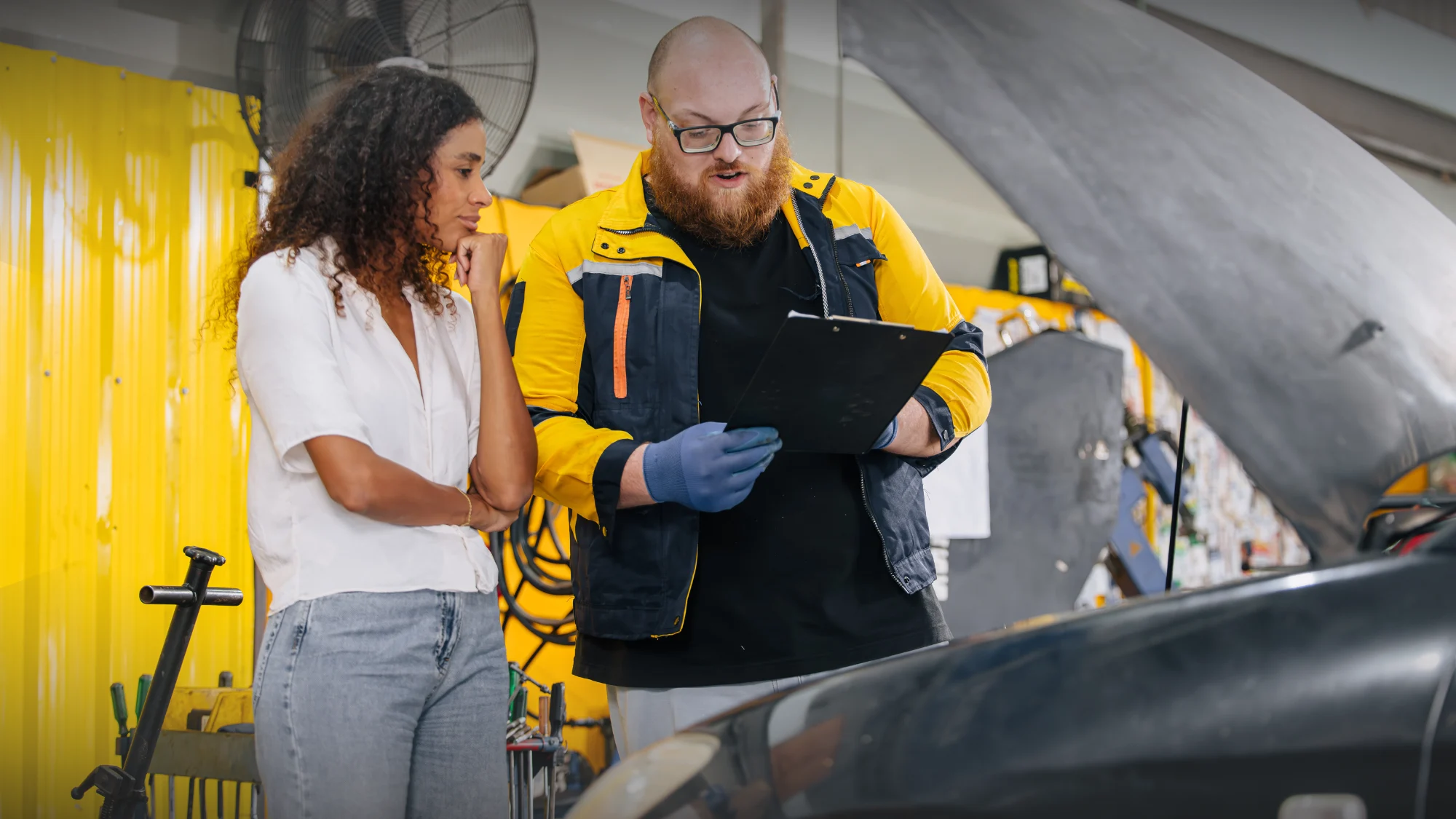
For European vehicle owners in West Palm Beach, FL, keeping up with appropriate maintenance and paying attention to changes in vehicle operation can help identify problems that deserve professional evaluation. Brakes, suspension, fluids, and electrical systems can all affect the way a vehicle performs and drives.
Foreign Affairs Auto provides maintenance, diagnostics, and repair services for European and other foreign vehicles. Knowing when to search for “European auto repair near me” can help you determine when unusual symptoms or maintenance needs should be evaluated by an experienced technician.
Recognizing Brake Issues in European Cars
Your vehicle’s braking system plays an important role in safe operation. Brake components wear at different rates depending on the vehicle, driving conditions, driving habits, component design, and other factors.
Possible signs that your brakes deserve inspection include:
- Squealing or grinding noises
- Vibration during braking
- Changes in brake pedal feel
- Increased stopping distance
- A brake-related dashboard warning
- Vehicle pulling or behaving differently during braking
These symptoms do not necessarily identify a particular failed component. Brake pads, rotors, calipers, fluid, electronic systems, tires, or other conditions may contribute to changes in braking behavior.
At Foreign Affairs Auto, technicians can inspect relevant components and determine what service or repair may be appropriate for your European vehicle.
Managing Suspension Systems
The suspension system contributes to ride quality, handling, tire contact, and vehicle control. European vehicles use a variety of suspension designs, so diagnostic and repair procedures can differ by make and model.
Possible signs of a suspension or steering concern include:
- Uneven or abnormal tire wear
- Excessive bouncing
- Unusual noises over bumps
- Changes in steering response
- Vehicle pulling or wandering
- Changes in ride height or comfort
These symptoms can also have causes involving tires, wheels, alignment, or steering components.
If your vehicle begins handling differently, a professional “European auto repair near me” can inspect the relevant systems before parts are replaced unnecessarily.
Oil Changes and Fluid Checks
Engine oil and other vehicle fluids perform important functions, but service requirements vary among European vehicles.
Using the correct oil and fluids is particularly important because manufacturers can specify particular viscosities, formulations, standards, and service procedures for individual models.
Depending on your vehicle, maintenance may involve checking or servicing:
- Engine oil
- Coolant
- Brake fluid
- Transmission fluid when applicable
- Power steering fluid on vehicles using hydraulic systems
- Other manufacturer-specified fluids
Rather than following a universal interval, refer to the maintenance schedule and fluid specifications for your particular vehicle.
At Foreign Affairs Auto, technicians can evaluate maintenance needs according to the vehicle’s make, model, mileage, condition, and service history.
Electrical System Concerns
Modern European vehicles can contain numerous electronic control modules, sensors, wiring networks, batteries, charging components, and computerized systems.
Electrical concerns may appear as:
- Dashboard warning messages
- Starting difficulties
- Battery or charging problems
- Malfunctioning lights
- Intermittent accessories
- Sensor-related faults
- Unexpected electronic-system behavior
A warning light or electrical symptom does not necessarily identify the component responsible.
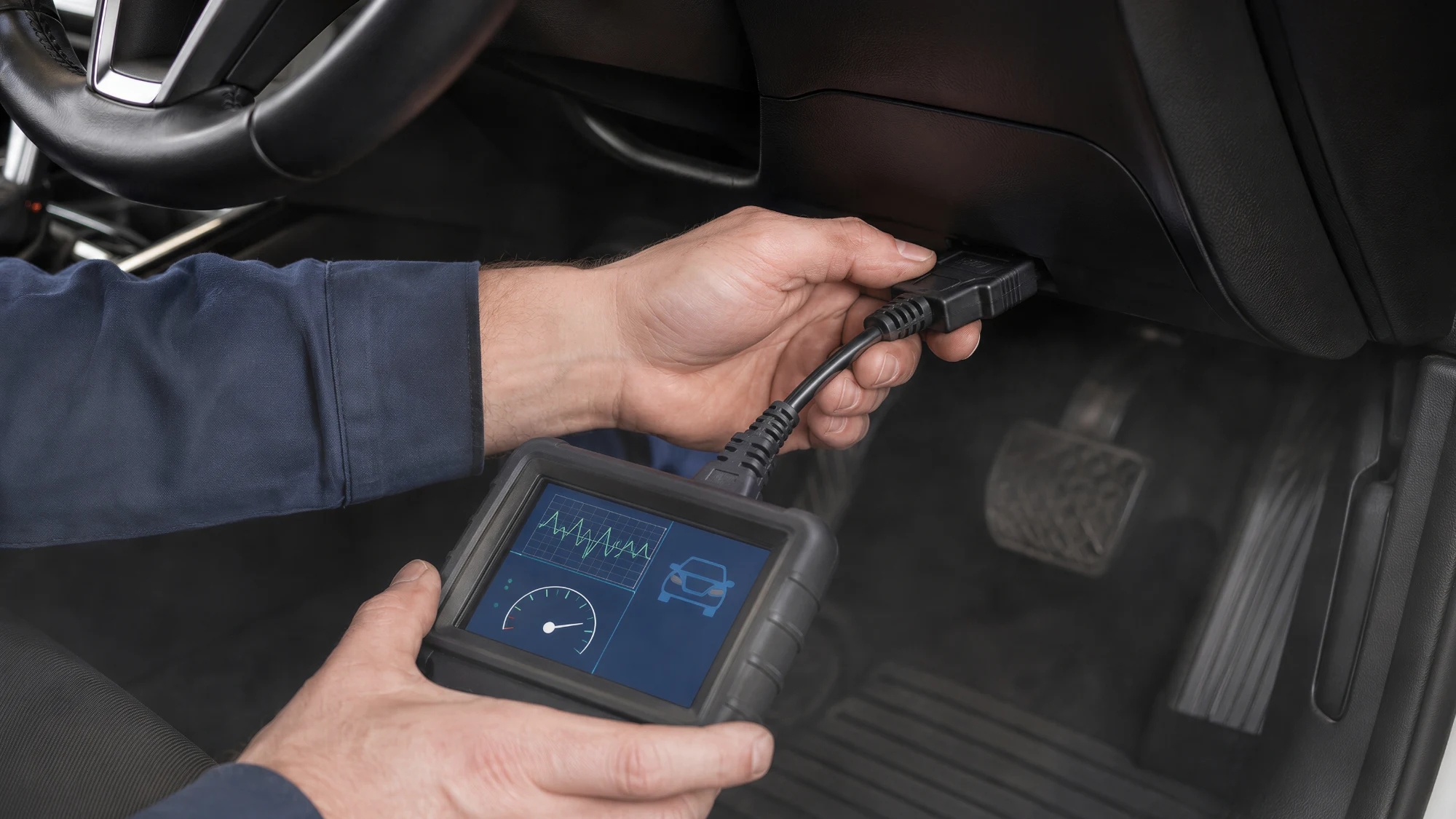
Diagnostic equipment can provide useful fault information, but technicians may need to perform additional electrical testing and inspection to determine the underlying cause.
The Importance of Timely Repairs
Not every unusual symptom means your European vehicle needs a major repair. However, ignoring certain problems can allow an existing condition to worsen.
For example, changes involving braking, steering, overheating, fluid loss, or significant warning messages may deserve prompt attention.
The urgency of a repair depends on factors such as:
- The system involved
- Severity of the symptoms
- Diagnostic findings
- Vehicle condition
- Manufacturer warnings
- Whether continued operation could create a safety concern or additional damage
Regular maintenance and appropriate diagnosis can help identify existing concerns, but they cannot guarantee that future mechanical problems will not occur.
FAQs About European Auto Repair
Q: What makes European cars different in terms of repair needs?
A: European manufacturers may use vehicle-specific mechanical systems, electronics, diagnostic procedures, components, fluids, and maintenance specifications.
Choosing technicians familiar with the particular make can be useful when specialized diagnostic equipment or repair information is required.
Q: How often should I have my brakes checked?
A: There is no universal 10,000-mile or annual brake-inspection interval appropriate for every European vehicle.
Follow the inspection and maintenance recommendations for your specific make and model. Driving conditions, component wear, mileage, and symptoms can also affect when brake inspection is appropriate.
If you notice changes in braking performance, unusual noises, vibration, or warning lights, have the system evaluated rather than waiting for a predetermined interval.
Q: Why is suspension maintenance important?
A: Suspension components contribute to handling, ride quality, tire contact, and vehicle control. Worn or damaged components can affect how a vehicle drives.
An inspection can help determine whether a symptom originates from the suspension, steering, tires, alignment, or another system.
Q: Are regular oil changes necessary for European cars?
A: Yes, engine oil should be changed according to the specifications and service requirements for the particular vehicle.
Rather than assuming all European engines operate under the same conditions, follow the manufacturer’s recommended oil specification and maintenance schedule for your make, model, and engine.
Q: Does every warning light require an immediate repair?
A: Not necessarily. Warning lights vary in urgency and meaning. Some indicate maintenance needs, while others can signal conditions requiring prompt attention.
Consult your vehicle’s owner’s manual for the specific warning and have unexplained or persistent warnings properly diagnosed.
At Foreign Affairs Auto in West Palm Beach, FL, technicians provide diagnostics, maintenance, and repair services for European vehicles.
If you’ve noticed changes in braking, suspension, electrical operation, fluid levels, or overall vehicle performance, or if your manufacturer-recommended maintenance is due, contact Foreign Affairs Auto for professional “European auto repair near me” and discuss the appropriate service for your vehicle.