Understanding the Hidden Dangers of Wet Roads in Europe
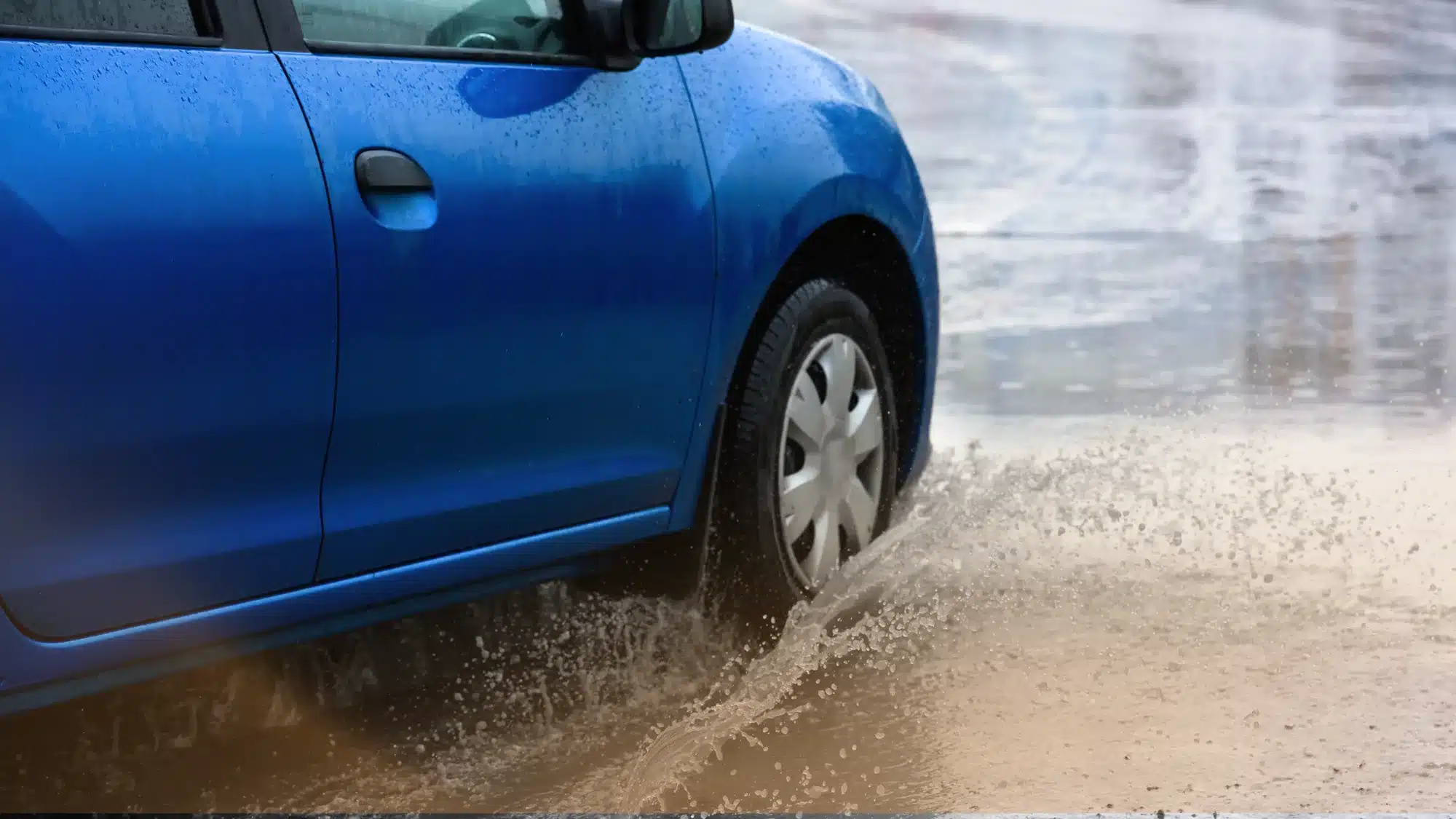
As November brings increased rainfall across Europe, wet roads become a significant hazard for drivers. Reduced traction, longer braking distances, and unpredictable vehicle handling are common risks that intensify during this season. For owners of high-performance vehicles—especially European brands like Audi—understanding these risks and how to mitigate them is essential for safety and vehicle longevity.
Why Wet Roads Are Especially Risky in November
- Increased Rainfall: November often marks the transition to winter, with frequent rain creating slick road surfaces.
- Cooler Temperatures: Lower temperatures reduce tire grip, making it harder for tires to maintain traction on wet asphalt.
- Fallen Leaves: Accumulated leaves can become waterlogged, further reducing friction and increasing the risk of skidding.
European Braking Systems: What Makes Them Unique?
European vehicles, including Audi, are engineered with advanced braking and traction control systems designed for dynamic driving conditions. However, even these sophisticated systems have limitations on wet roads:
- ABS (Anti-lock Braking System): Helps prevent wheel lock-up but cannot compensate for severely reduced traction.
- ESC (Electronic Stability Control): Assists in maintaining control during skids, but its effectiveness depends on tire condition and road surface.
- Performance Tires: Many European cars use performance-oriented tires, which may not perform optimally in cold, wet conditions.
Key Traction Considerations for Audi Owners
Proper maintenance is crucial for ensuring your Audi’s safety features function as intended during wet weather. Here’s what to focus on:
- Tire Tread Depth: Worn tires significantly increase hydroplaning risk. Ensure your tread depth meets manufacturer recommendations.
- Brake System Health: Regular inspections at a certified Audi service center in Lake Clarke Shores, FL, are vital for optimal braking performance.
- Wheel Alignment: Misaligned wheels can reduce tire contact with the road, especially on slick surfaces.
Best Practices for Safe Driving on Wet European Roads
- Reduce Speed: Lower speeds give you more time to react and reduce stopping distances.
- Increase Following Distance: Wet roads can double or triple braking distances.
- Avoid Sudden Movements: Gentle steering, braking, and acceleration help maintain traction.
- Check Tire Pressure: Properly inflated tires maximize grip and reduce the risk of hydroplaning.
Why Choose a Certified Audi Service Center Lake Clarke Shores, FL?
Entrusting your vehicle to a certified Audi service center Lake Clarke Shores, FL drivers count on, like Foreign Affairs Auto, LLC, ensures:
- Expert Diagnostics: Technicians trained specifically on Audi systems can spot issues before they become hazards.
- Genuine Parts: Only OEM parts are used, maintaining your vehicle’s safety and performance standards.
- Comprehensive Care: From tire checks to brake inspections, certified centers provide the thorough service needed for wet-weather readiness.
Final Thoughts
November’s wet roads in Europe present unique challenges for drivers, especially those behind the wheel of high-performance vehicles like Audi. By understanding the risks and prioritizing regular maintenance at a trusted Audi service center in Lake Clarke Shores, FL, you can ensure your vehicle remains safe, responsive, and ready for any weather.
Foreign Affairs Auto, LLC
Your Partner in European Automotive Excellence