Most drivers don’t think much about their car battery until the moment it stops working. It’s one of those parts that quietly does its job in the background—until it doesn’t. And when it fails, it rarely happens at a convenient time. A dead battery can leave you stuck, delay your plans, or in some cases even put you in a risky situation.
That’s why battery maintenance matters more than people realize. Modern vehicles depend heavily on electrical systems, sensors, and onboard technology, all of which rely on a steady power supply. When your battery isn’t in good shape, everything else starts to feel it.
The good news is you don’t need complicated routines or technical knowledge to keep your battery healthy. A few simple habits and regular attention can make a noticeable difference. In fact, staying ahead of small issues is often what prevents bigger problems down the road.
Consistent care not only helps your car start reliably every time, it also extends the overall lifespan of the battery itself. That means fewer unexpected replacements, less stress, and more money saved over time.
Here’s the thing—keeping your battery in good condition isn’t about doing more. It’s about doing the right small things at the right time. And those small steps can easily add years to your car battery life.
Alternator Health
Your alternator is one of the key components that contributes to battery maintenance. The alternator is responsible for recharging the battery by providing electrical power while the motor is running. When the car turns off, the battery is still in use, emitting residual electrical current. If your alternator does not routinely do its job properly, it can cause your battery to die while it sits or not give the battery enough charge to hold overnight. It is important to keep in mind that just because your battery is giving you trouble, it doesn’t mean that the battery is the cause of the issue. A professional automotive shop should inspect both the battery and the alternator when issues arise.
Purchase a Battery Charger
When you go out of town for a few days and then attempt to start your car for work the next morning only to find that your battery is dead, it can be frustrating and troublesome. If your car typically sits for periods of time, it might be a good idea to purchase a battery charger. However, battery chargers aren’t just useful for cars that sit for periods of time; they are also helpful for drivers who typically drive short distances frequently—these types of trips don’t give your alternator enough time to recharge the battery. Purchasing a battery charger can greatly extend the life of your battery.
Selective Battery Use
Anything that uses battery life should not be used until the car is running and has been driven. Sitting parked in your driveway does not charge your battery, but the battery charges once it’s been driving for at least a few minutes. Using battery life for electronics such as your phone, video players, navigation, or other accessories can deplete your battery life rather quickly, especially if you routinely use the accessories while the car is not on or driving. By giving your battery a break from electronics, you can at least give it a chance to catch up on power and charge before draining it again.
Routine Inspections
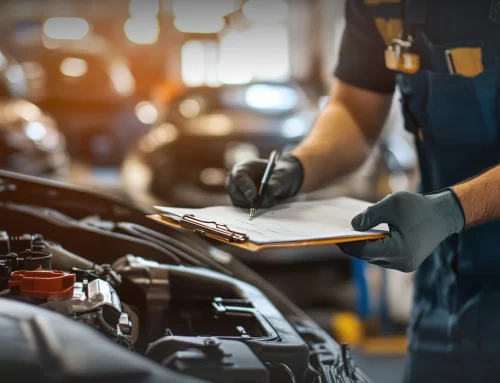
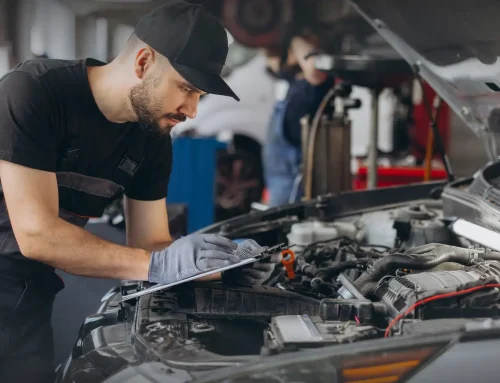
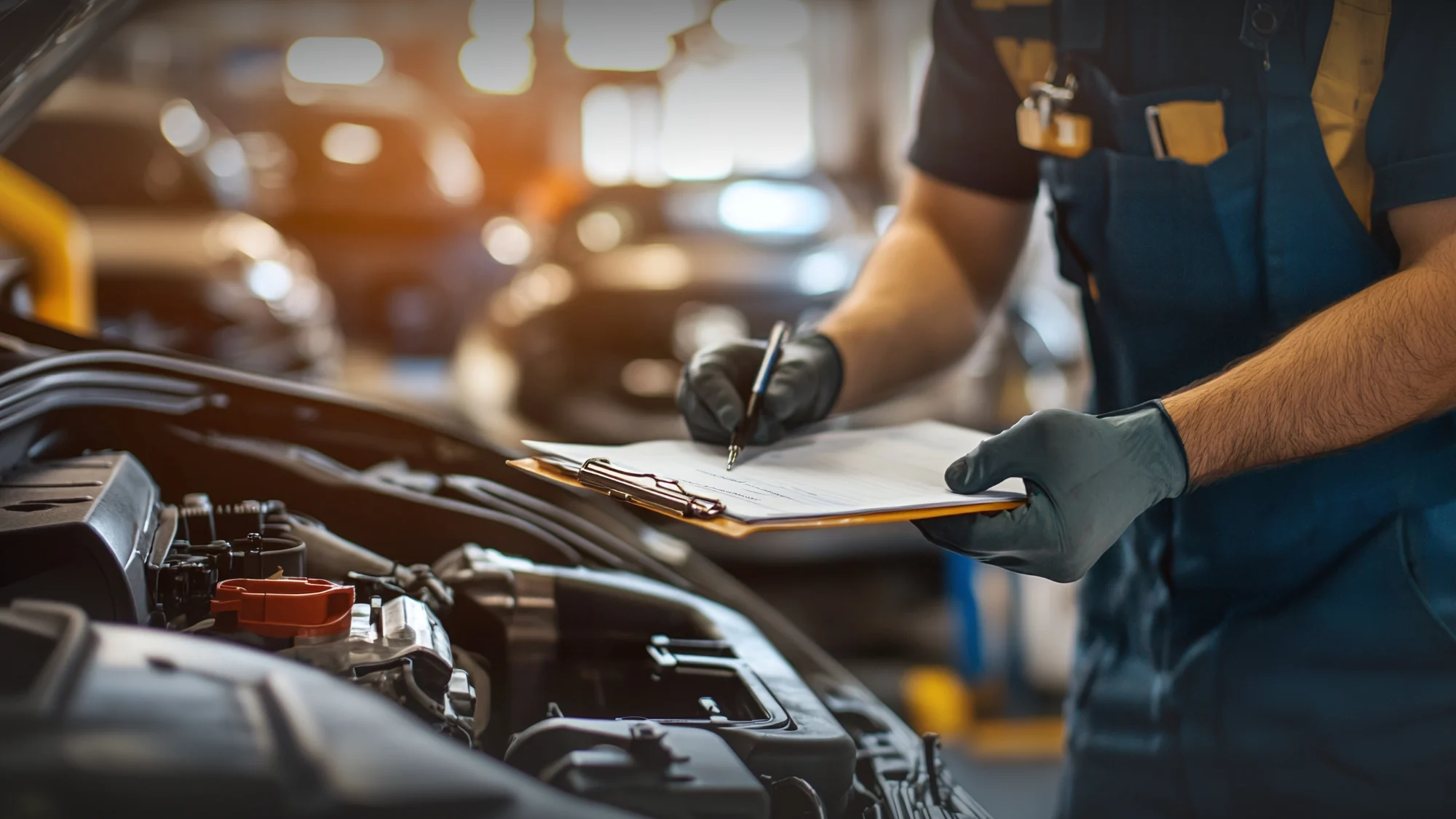
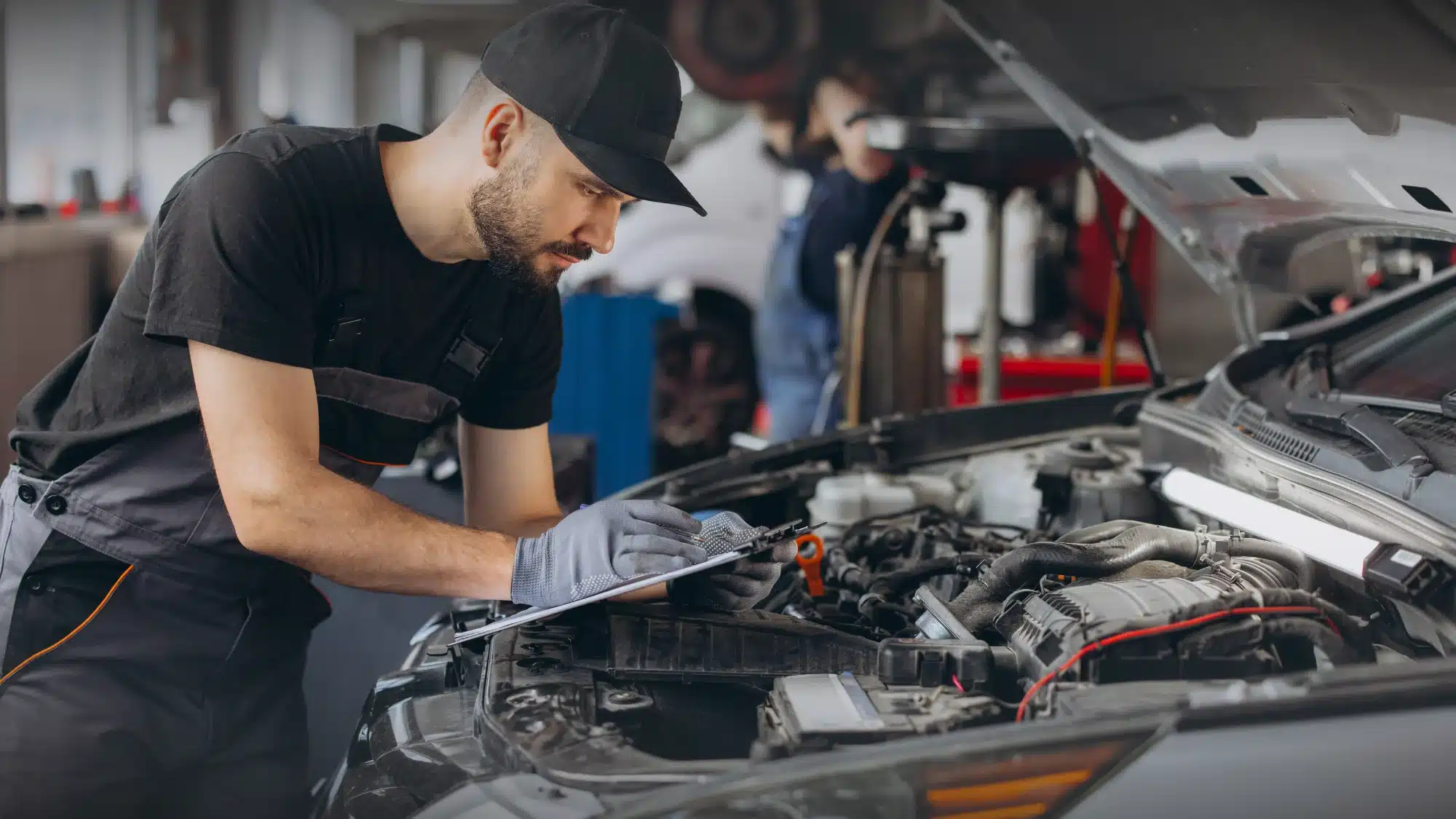
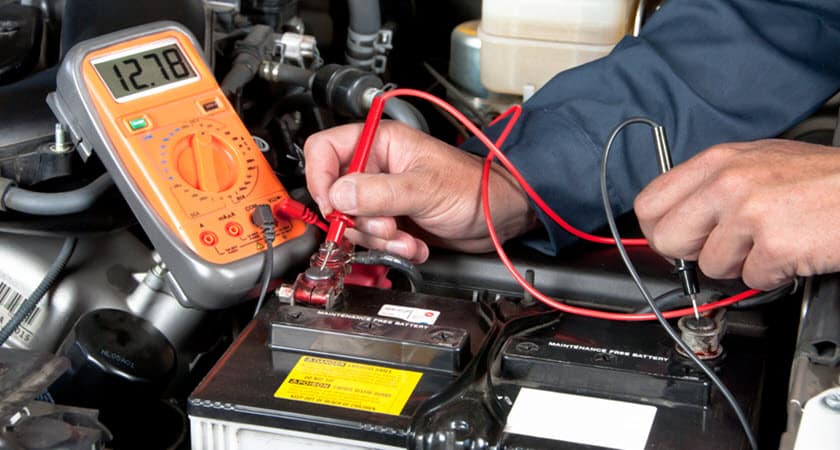
Of course, the best way to extend the life of your battery is to have it routinely inspected by professionals. It is also a good idea to learn how to check the condition of your battery yourself, as it is best to do at least once a month. You should keep an eye out for corrosion and/or rust, as these are the culprits of destroying battery connections. You can clean the battery terminals yourself safely, but you should first make sure to take proper safety precautions and consult with a professional.