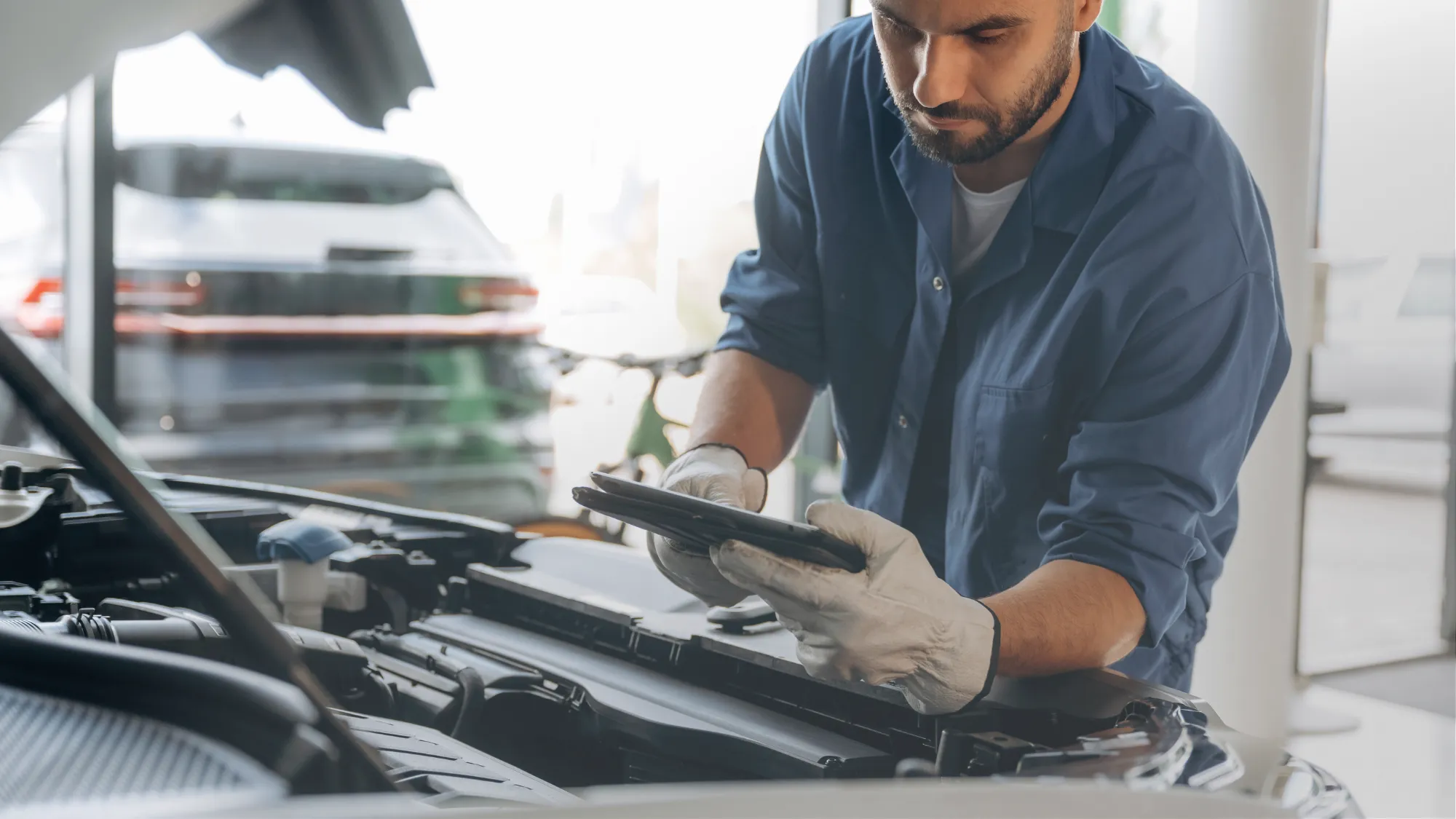
When your car starts to feel different while driving, it can be a sign that something deserves attention. Changes in acceleration, braking, steering, ride quality, noises, vibrations, or warning lights can have many possible causes, making proper diagnosis important before deciding what repairs are needed.
At Foreign Affairs Auto in West Palm Beach, FL, technicians experienced with European vehicles can evaluate these concerns as part of a professional European auto repair service. Understanding the areas that may be inspected can help you know what to expect when bringing your vehicle in for diagnosis.
Initial Diagnostic Assessment
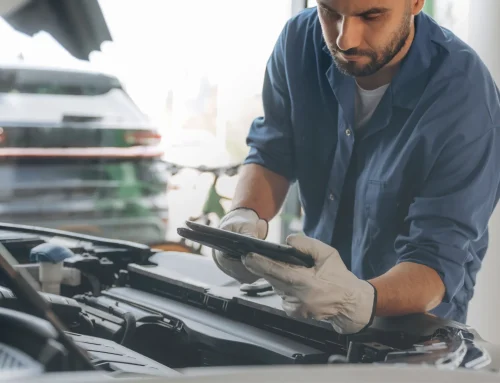
When a driver reports a change in vehicle performance, the diagnostic process generally begins by gathering information about the symptoms and evaluating the systems that could be involved.
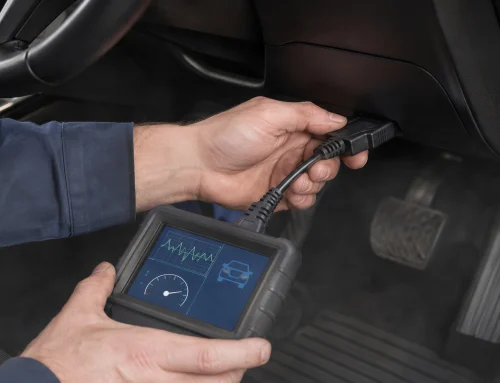
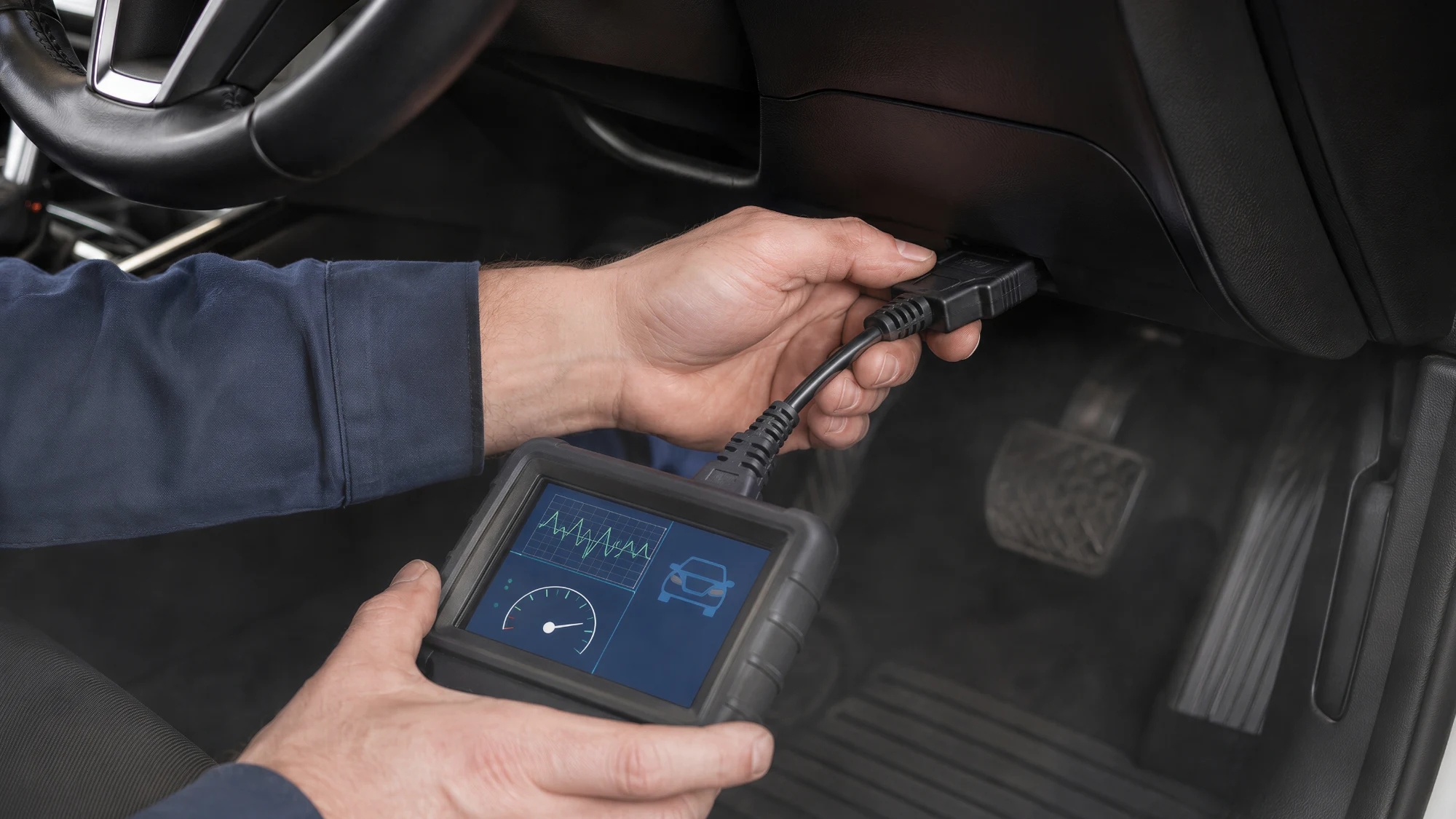
Depending on the concern and vehicle, technicians may use diagnostic equipment to retrieve fault information and perform additional testing.
A dashboard fault code alone does not necessarily identify the component that needs replacement. Diagnostic information should be considered alongside symptoms, testing, vehicle history, and physical inspection to determine the likely source of the problem.
Engine and Transmission Evaluation
Engine or transmission concerns can affect acceleration, shifting, fuel consumption, vibration, and overall drivability.
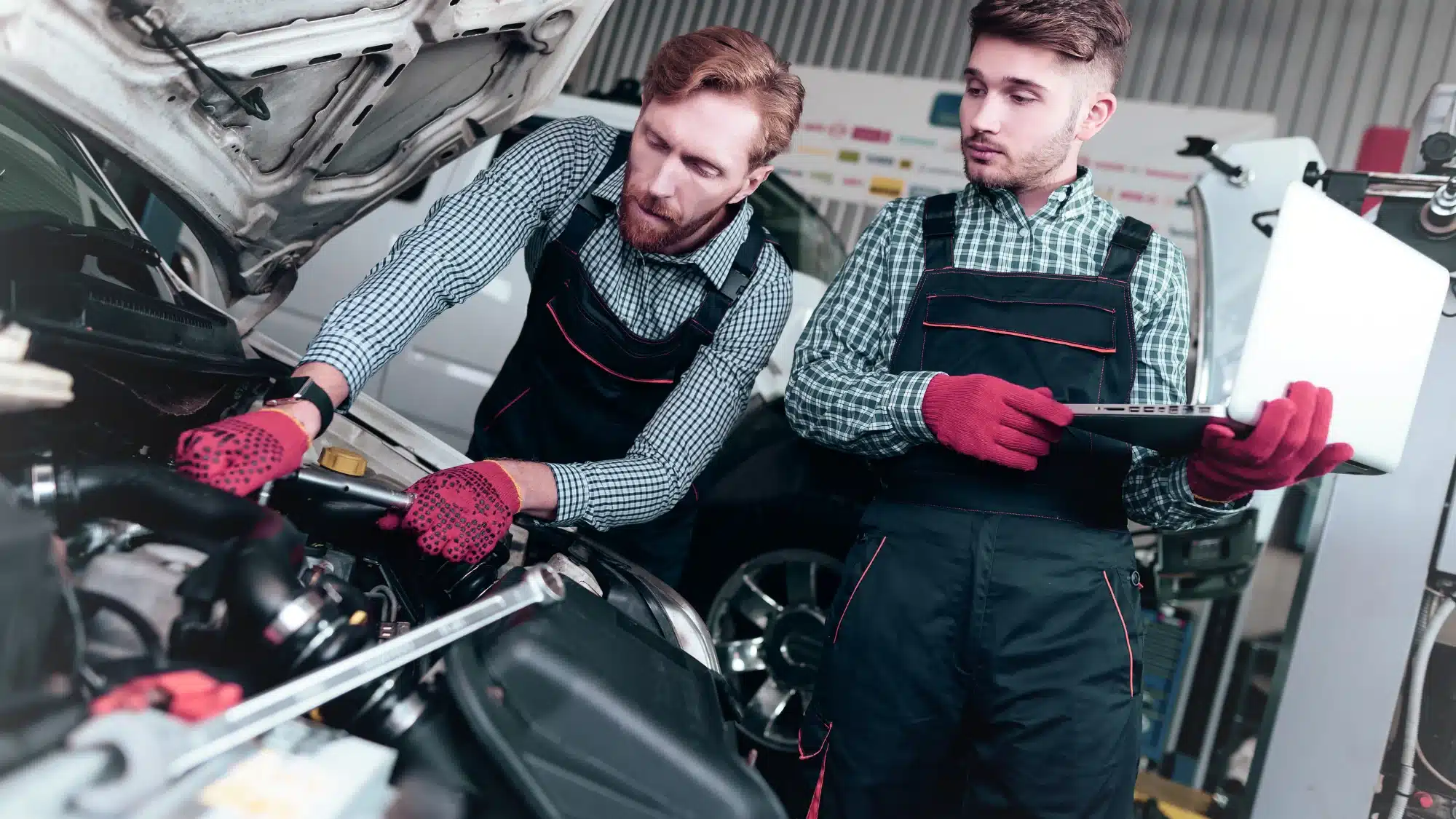
Depending on the symptoms, a European auto repair service may evaluate relevant engine or transmission systems and look for visible leaks, unusual operating conditions, stored faults, or other indications that further diagnosis is necessary.
Signs of Engine Trouble
Possible warning signs include:
- Unexpected noises or vibrations
- Changes in acceleration or engine performance
- Unusual exhaust smoke
- Fluid leaks
- Changes in fuel consumption
- Dashboard warning lights
- Difficulty starting
These symptoms can have multiple causes and do not necessarily indicate serious internal engine damage.
Having unexplained changes evaluated can help identify the underlying problem and determine whether maintenance or repair is appropriate.
Brake System Inspection
Braking performance is an important part of vehicle operation and safety.
If you notice unusual noises, vibration, changes in pedal feel, increased stopping distance, or a brake-related warning light, professional evaluation is appropriate.
Depending on the vehicle and concern, technicians may inspect components such as:
- Brake pads
- Brake rotors
- Calipers and related hardware
- Brake fluid condition or level when applicable
- Brake hoses and lines where accessible
- Electronic braking-system faults when relevant
Not every brake service requires replacement of the same components. Recommendations should be based on measurements, condition, manufacturer specifications, and diagnostic findings.
Suspension and Steering Analysis
European vehicles can use a variety of suspension and steering designs, and components differ considerably among manufacturers and models.
Changes in handling or ride quality may be associated with tires, alignment, steering components, suspension components, or other vehicle systems.
Potential warning signs include:
- Uneven or abnormal tire wear.
- Clunking, knocking, or other noises over bumps or during turns.
- Changes in steering feel or responsiveness.
- Vehicle pulling or wandering.
- Excessive vibration.
- Changes in ride height or ride comfort.
Because several problems can produce similar symptoms, an inspection is important before assuming a particular suspension or steering component is responsible.
Electrical System Check
Modern European vehicles rely extensively on electronic control modules, sensors, wiring, batteries, charging systems, and communication networks.
Electrical concerns can appear in many ways, including:
- Warning messages or dashboard lights
- Starting problems
- Battery or charging concerns
- Intermittent electrical functions
- Lighting problems
- Malfunctioning accessories
- Sensor-related faults
The diagnostic approach depends on the symptoms. A standard service appointment does not necessarily involve testing every electrical component in the vehicle.
Instead, technicians can use the reported symptoms, diagnostic information, electrical testing, and vehicle-specific procedures to narrow down the source of the concern.
Contact Foreign Affairs Auto for Comprehensive Inspections
When your European vehicle begins driving, sounding, or operating differently, guessing at the cause can lead to unnecessary repairs.
A professional European auto repair service can evaluate the symptoms and determine which systems require further testing.
Foreign Affairs Auto in West Palm Beach provides maintenance, diagnostics, and repair services for European and other foreign vehicles. The appropriate inspection and repair recommendations will depend on your vehicle’s make, model, mileage, condition, service history, and specific symptoms.
Contact Foreign Affairs Auto to schedule an appointment or discuss your vehicle’s service needs.
FAQ
What should I do if my car feels different while driving?
Pay attention to when the change occurs and whether there are warning lights, noises, vibrations, smells, leaks, or changes in braking or steering.
If the vehicle has a significant safety-related problem, such as severely reduced braking or steering control, avoid continuing to drive it and seek appropriate assistance.
For other unexplained changes, schedule an evaluation with a qualified European auto repair service.
How often should European cars be serviced?
There is no universal 10,000- to 15,000-mile interval for every European vehicle.
Maintenance schedules vary by manufacturer, model, engine, age, mileage, driving conditions, and service history. Follow the maintenance information specified for your particular vehicle.
Why is my engine making unusual noises?
Engine noises can have many possible causes, ranging from relatively minor issues to conditions requiring more extensive repair.
Because the sound alone may not reveal its source, professional diagnosis is recommended when a new or persistent engine noise develops.
What are common electrical problems in European cars?
Electrical concerns can involve batteries, charging systems, sensors, wiring, connectors, control modules, switches, lighting, or other electronic components.
The specific cause should be diagnosed rather than assuming a particular component has failed.
Does a warning light always mean something needs to be replaced?
No. A warning light indicates that the vehicle has detected a condition requiring attention, but it does not automatically identify a failed part.
Diagnostic testing can help determine what triggered the warning and what maintenance or repair, if any, is appropriate.